
From a Conversation to Clean Water
How a January site visit between Benjamin Runga Foundation and Big Five Tanzania became a working well serving our students and the community around our Arusha computer centre, told here with the same financial detail we share with our partners.
Water You Can't Count On
Arusha's city water supply reaches Benjamin Runga Foundation's centre, but not reliably. Interruptions are frequent enough to affect everyone: students in our free ICT training and the community living around the centre, who share the same unpredictable supply.
For a training centre that has hosted more than 1,000 young people since 2022, running computer labs and keeping toilets working, reliable water is essential to good WASH conditions. We needed a solution.
A Call, Then a Visit
Most partner stories skip straight to "funded." Ours didn't start there. It started with an honest conversation about what we actually needed.
On January 5, 2026, we spoke with Laura from Big Five Tanzania for the first time. The goal was simple: help each organisation understand the other well enough to see where we might work together. We shared several needs openly: support for a key volunteer's stipend, water storage for sustainability, a stronger solar power system, and replacement computers for our oldest, most failure-prone machines, along with how we'd track and report the impact of each.
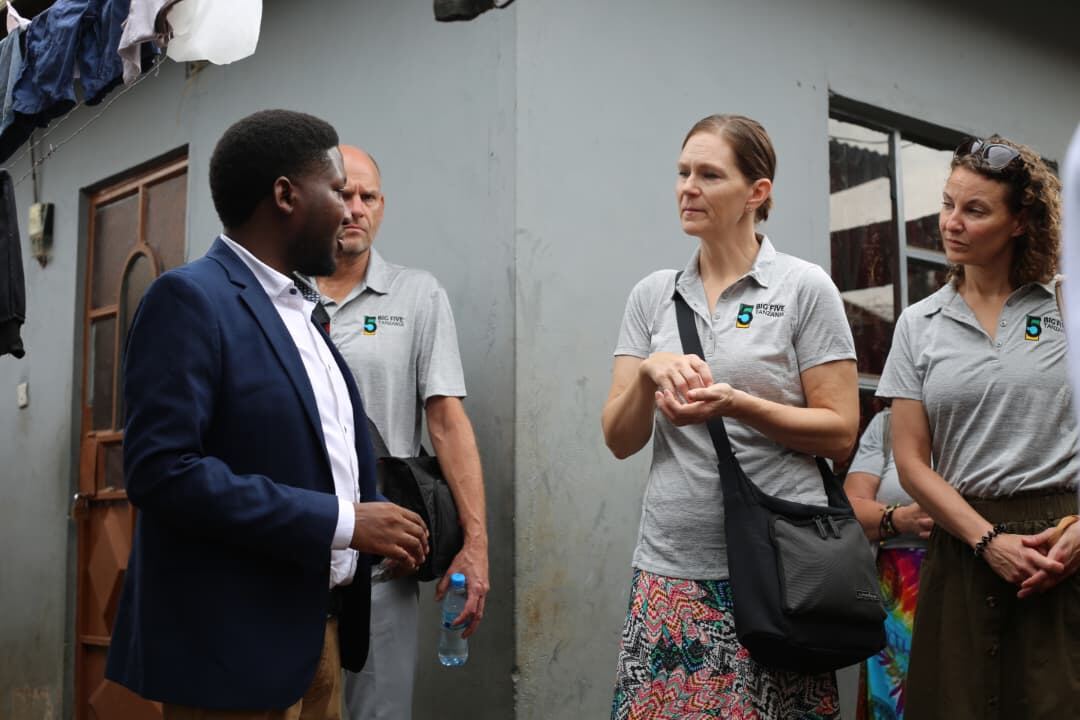
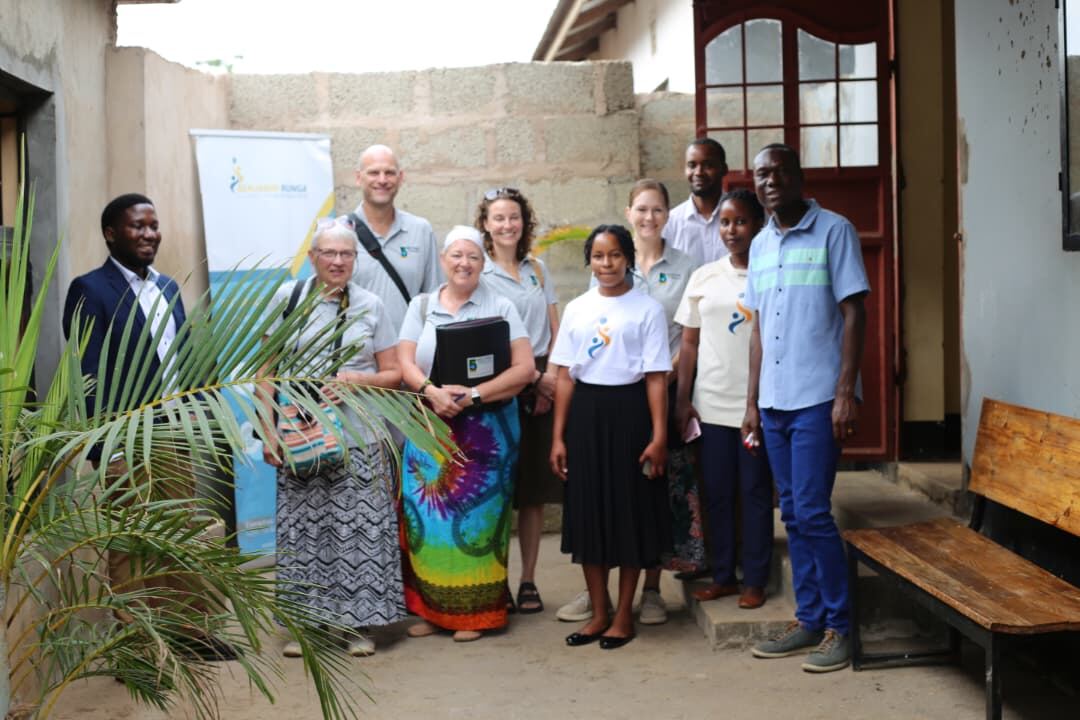
Laura proposed visiting our computer lab in Sinoni, Arusha, in person, and on January 27, 2026, she and the Big Five Tanzania team did exactly that. We walked them through our story (founded in memory of Benjamin Runga to fulfil his dream of tech education) and our numbers: a student body that is 68% female across all our intakes to date, and more than 1,000 learners reached since 2022. They met our students in the classroom and toured the building, including the areas most affected by our water shortage.
The visit with the Big Five Tanzania team was productive. We didn't only show them what was working; we were candid about what wasn't: ageing, unreliable computers; a solar system that only powers 5-7 machines for about three hours; the need for a second lab; and yes, water and sanitation limitations that affect day-to-day operations. That honesty turned out to matter.
"They did not expect this level of organisation and impact. They appreciated our transparency on challenges and our community-driven approach." Ramadhan, BRF's Operations Manager
Big Five Tanzania works across education, entrepreneurship, healthcare, food security, and clean water. Comparing notes, two areas stood out as strong fits: clean water access and entrepreneurship support for BRF graduates, a second strand of the partnership now being scoped. When the conversation turned to water specifically, we weighed a simple rainwater storage tank against digging a well, and recommended the well: the more sustainable, cleaner option that could also serve the surrounding community, not just our own centre.
The visit ended with an agreement in principle to partner on both fronts. Our task: put together a real proposal.
The Cost Estimate
Before asking for a shilling, we ran a proper feasibility survey.
That survey told us we could reach a reliable water-bearing formation at a depth of about 50 metres. Machine drilling was an option, typically around TSH 75,000 ($28.72) per metre, but on May 18, 2026, we sent Laura and the Big Five Tanzania team a formal cost estimate recommending hand-digging instead: equally effective, and it kept the project well within the budget Big Five had in mind.
Why hand-dug, not drilled?
At about 50 metres, drilling alone would have run TSH 3,000,000-3,750,000 (about $1,148-$1,437), before pump, electrical, or plumbing costs. A hand-dug well at the same depth was estimated around TSH 2,500,000 ($957), leaving room in the budget for a proper pump, wiring, and plumbing without asking Big Five Tanzania for more than they'd offered.
The proposal was approved, and we were ready to dig.
The Work, Dated
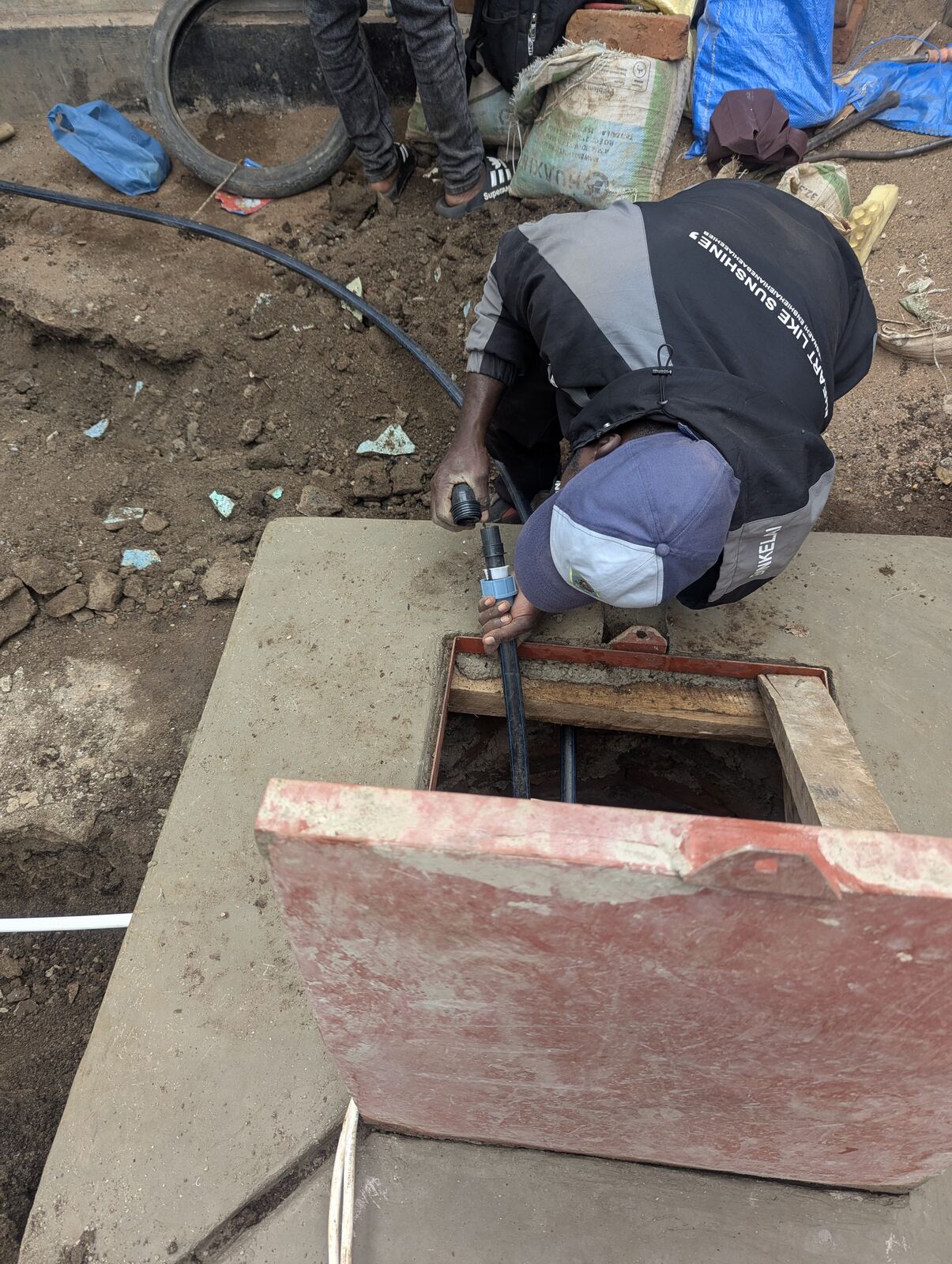
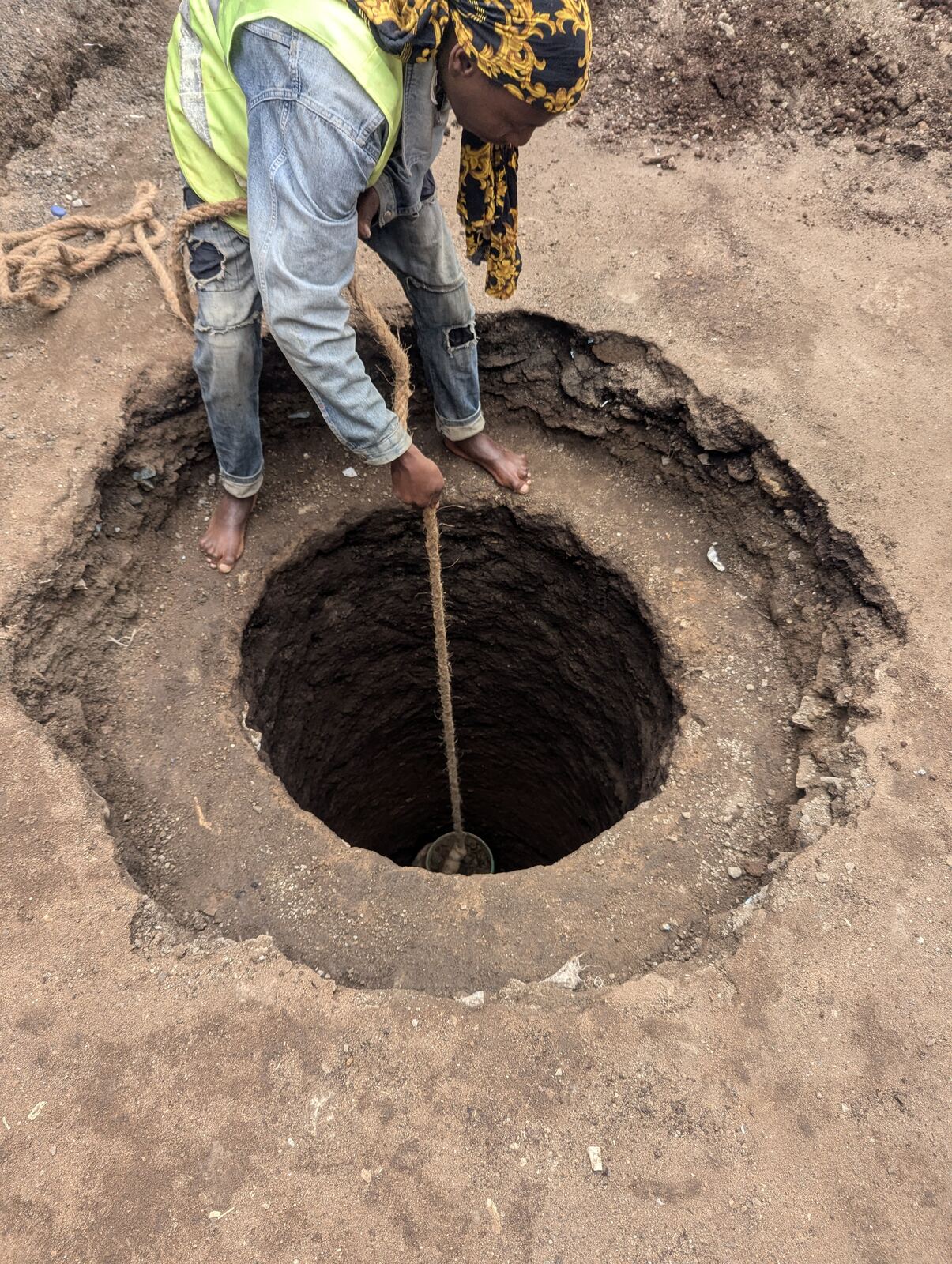
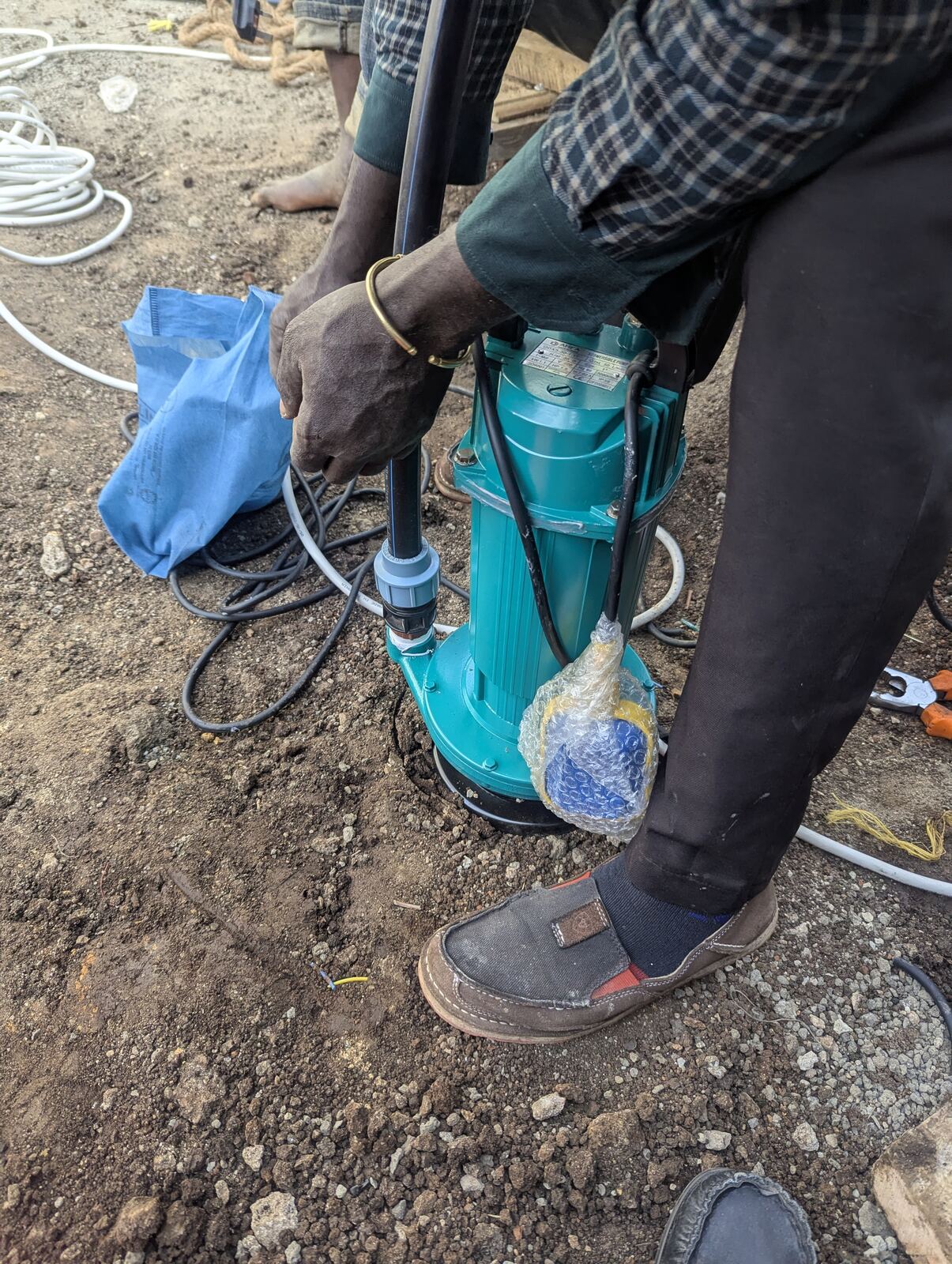
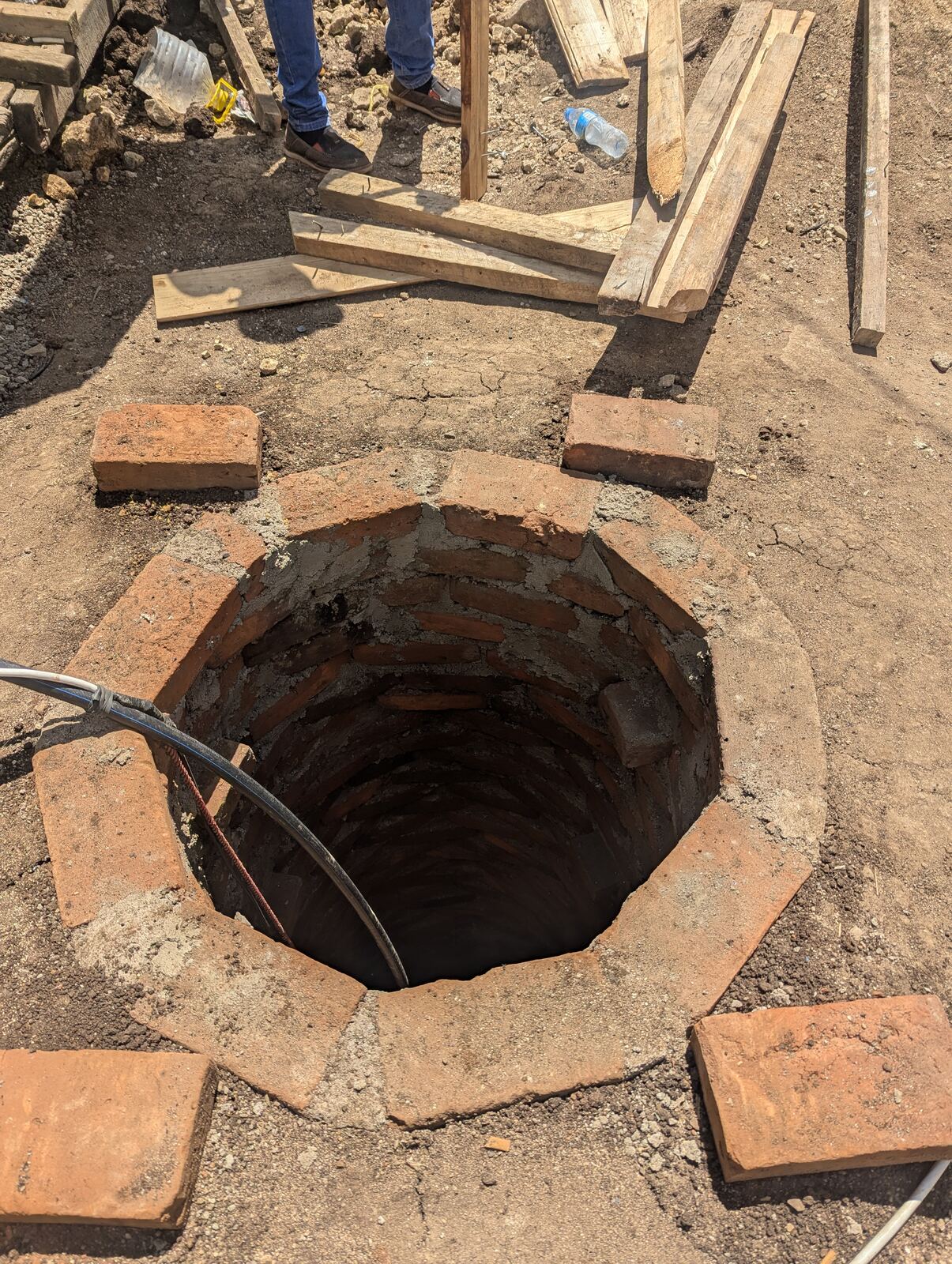
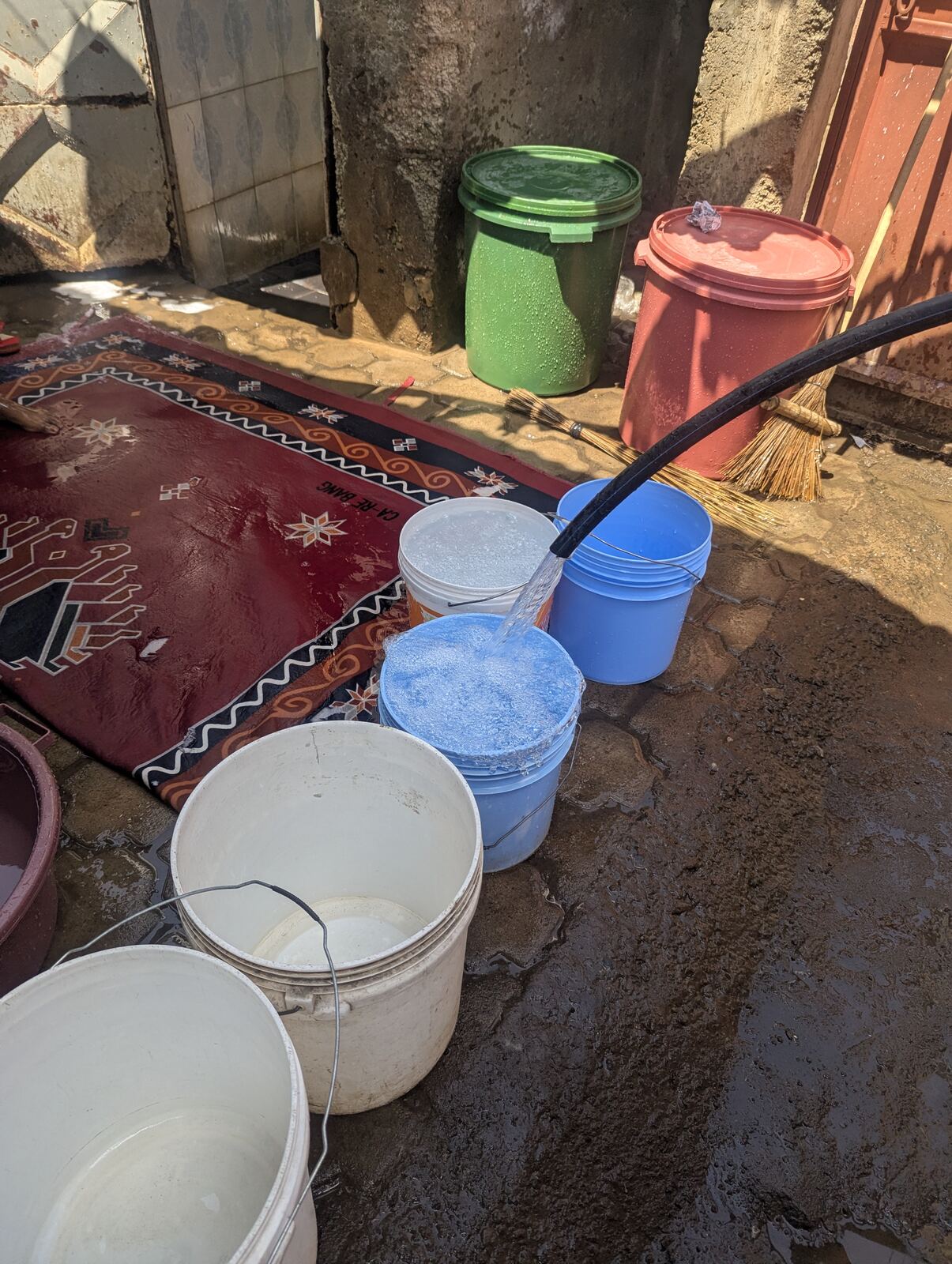
These aren't stock photos. Every image below is from the actual build, by a local hand-digging crew and tradespeople we hired in Arusha: this is what the grant paid for, week by week.
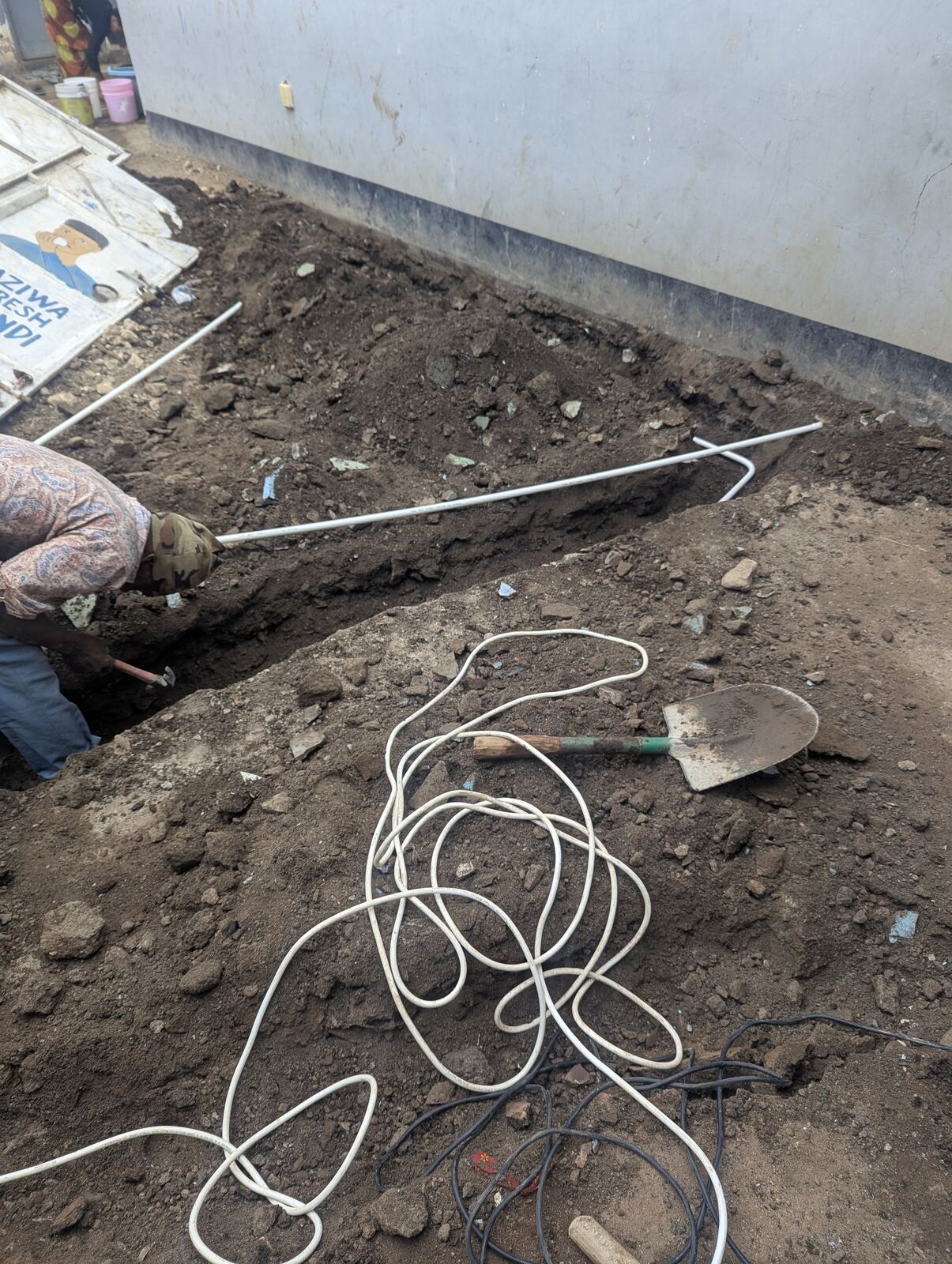
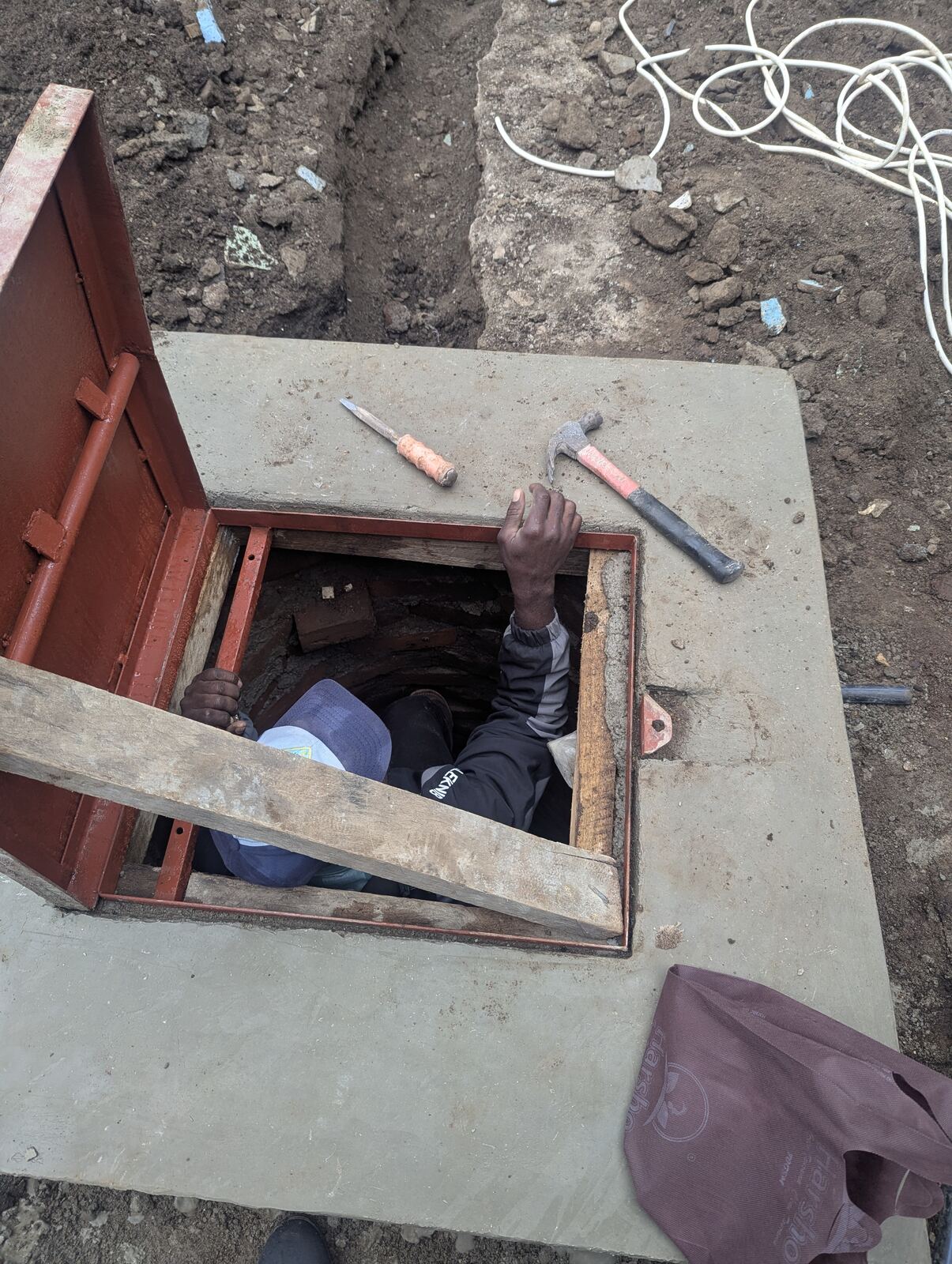
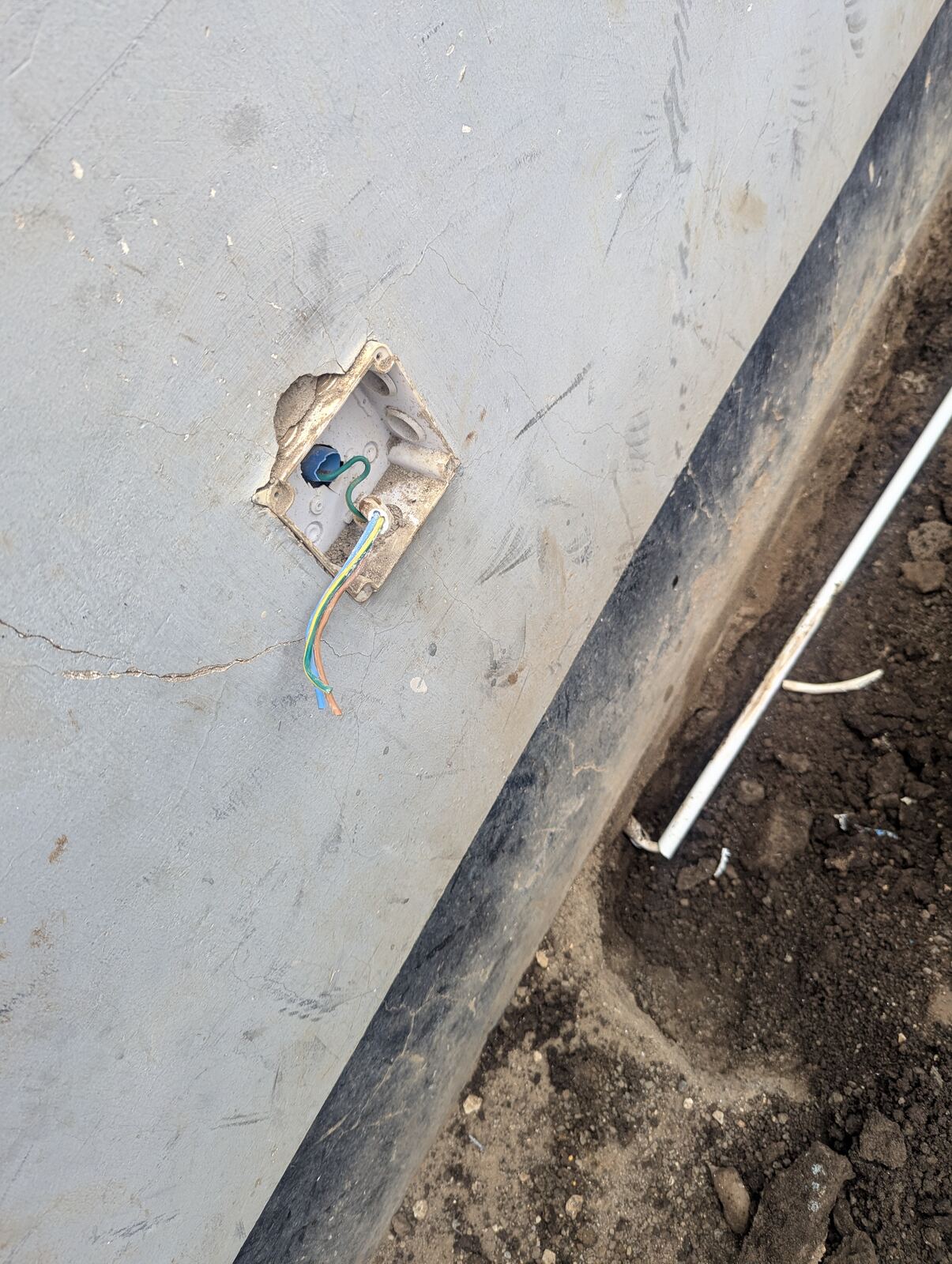
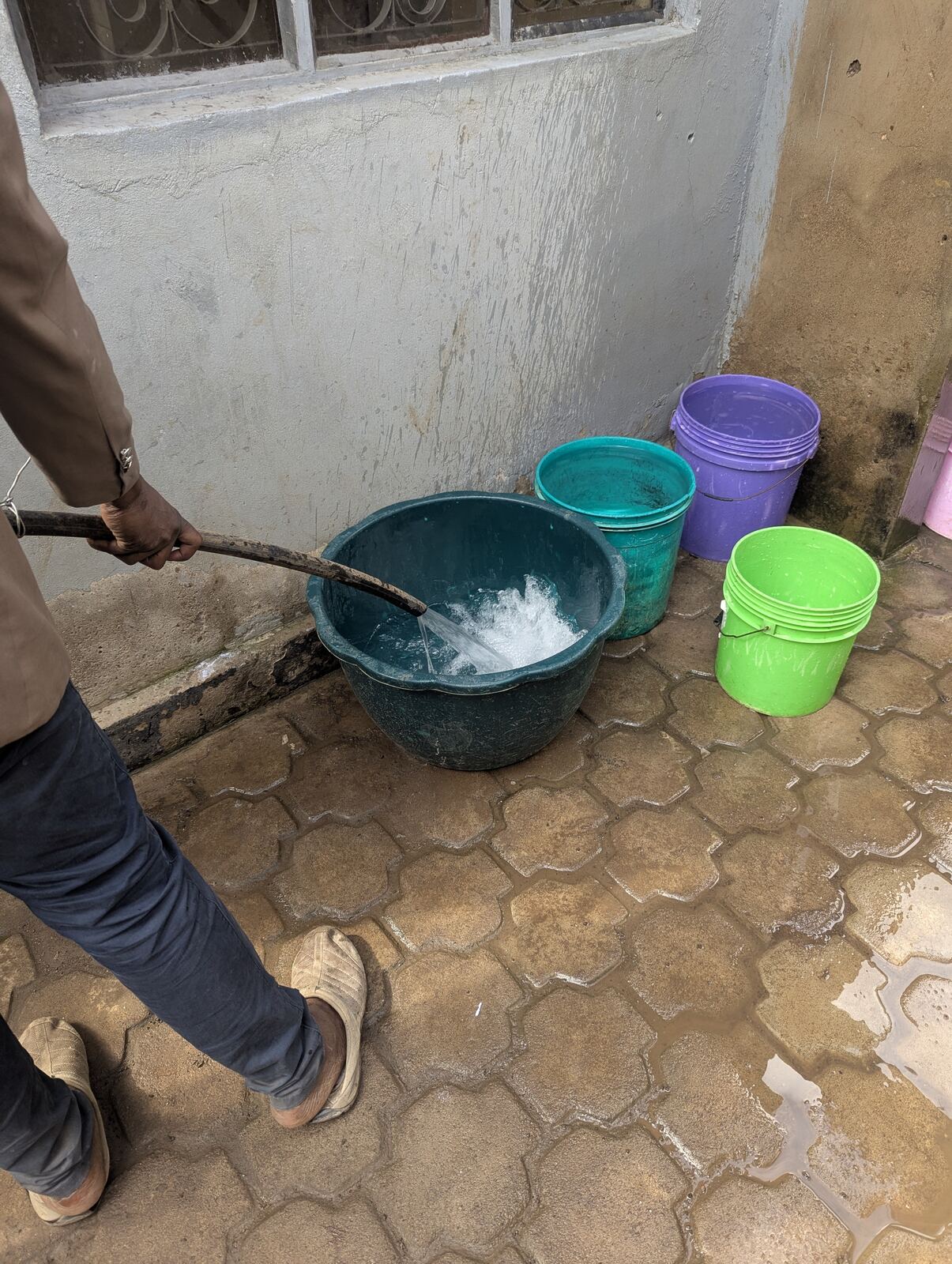
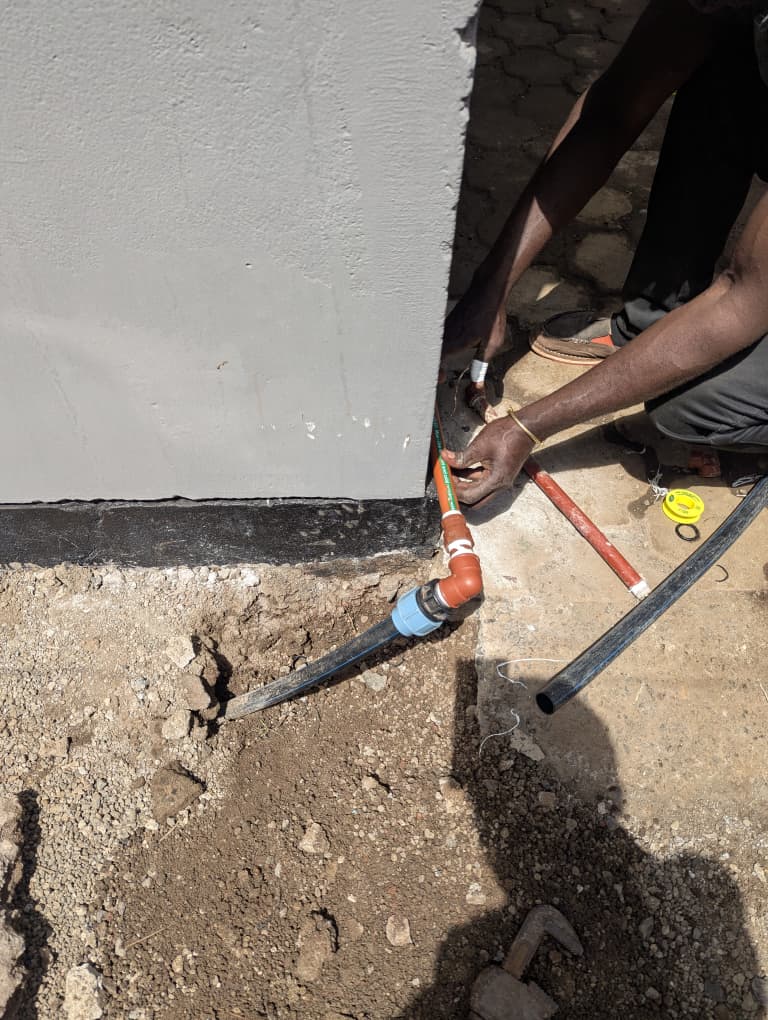
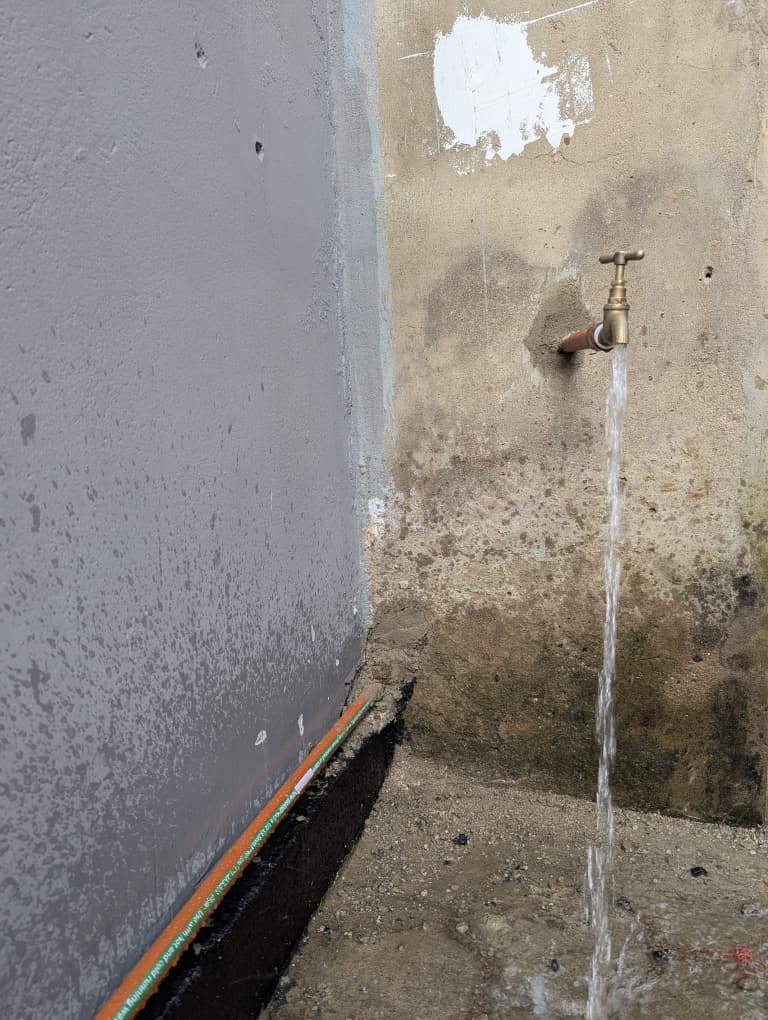
Why we stopped at 20 metres, not 50
Our survey indicated a water-bearing formation down to about 50 metres, but digging that deep wasn't necessary. We reached a strong, reliable source at roughly 20 metres, with yield sufficient for our needs. Groundwater at greater depths in this area can also carry higher mineral content, so stopping at a productive level was the right call for both practicality and water quality, not a shortfall against the original estimate.
Full Financial Transparency
This is the same level of detail we shared directly with Big Five Tanzania in our August 2026 completion report: nothing rounded off, nothing left out.
US dollar figures are converted from Tanzanian shillings at about TSH 2,611 to the dollar (the rate applied in the completion report, August 2026).
Below is the full itemised breakdown by category. Each includes the honest story behind the number: where we saved, where we spent more than planned, and why.
1. Well Construction $765.99
| Item | TSH | USD |
|---|---|---|
| Hand-dug well, approx. 20m depth (negotiated rate) | 2,000,000 | $765.99 |
2. Water Pump $111.07
| Item | TSH | USD |
|---|---|---|
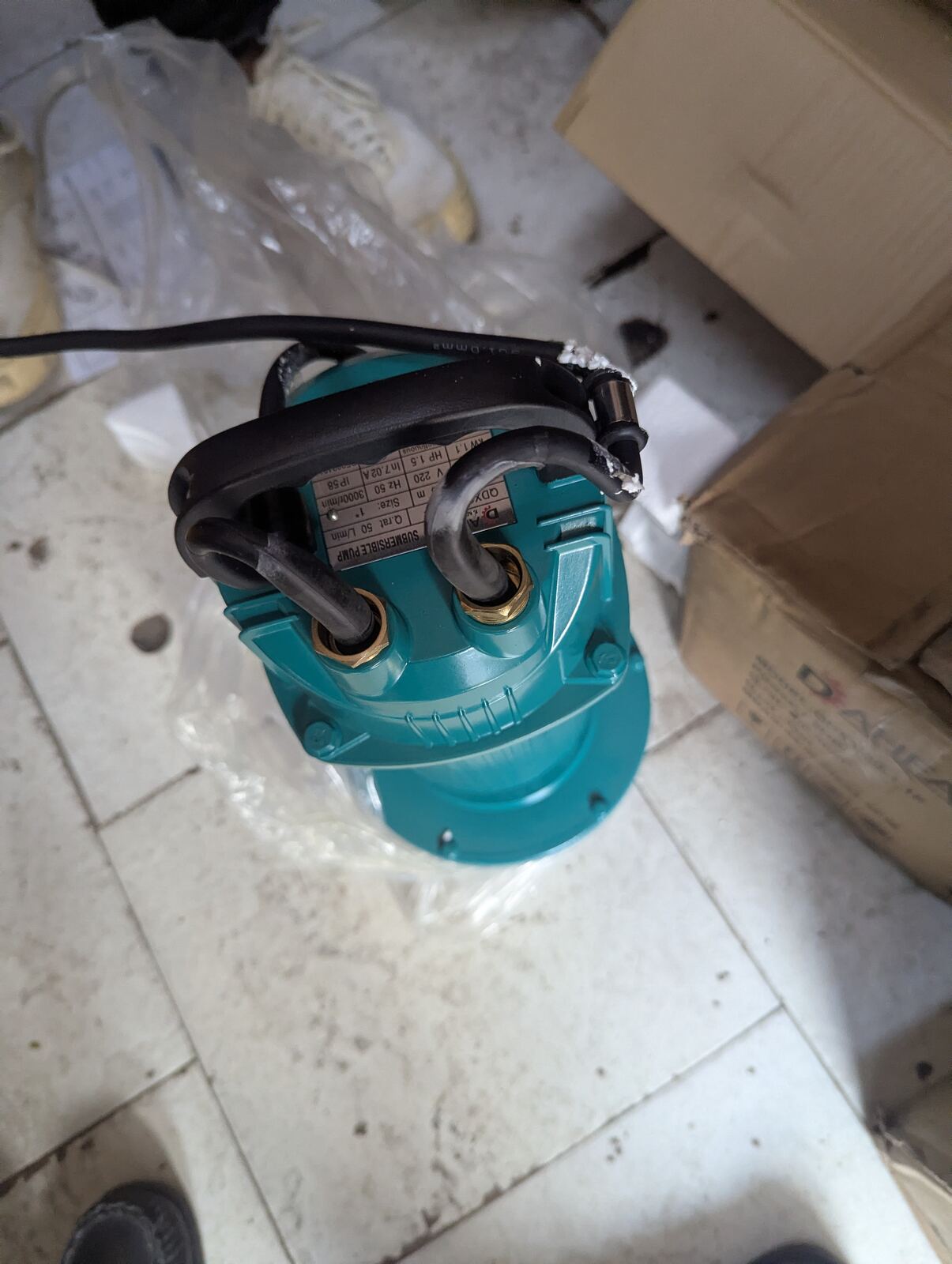
| DAHFA Submersible Water Pump (1.5 HP) | 290,000 | $111.07 |
3. Electrical Works $79.36
| Item | TSH | USD |
|---|---|---|
| Electrical cable, 2.5mm 3-core flexible, 30m @ TSH 4,000/m | 120,000 | $45.96 |
| Wall switch socket (13 Amp) for pump control | 7,200 | $2.76 |
| Electrician labour (negotiated from TSH 80,000) | 50,000 | $19.15 |
| 2-inch protective pipe for underground cable | 30,000 | $11.49 |
| Electrical Total | 207,200 | $79.36 |
4. Plumbing & Water Distribution $64.73
| Item | TSH | USD |
|---|---|---|
| HDPE pipe, 3/4", 35m @ TSH 1,500/m | 52,500 | $20.11 |
| Water tap | 16,500 | $6.32 |
| Clamps, fittings & plumbing labour | 100,000 | $38.30 |
| Subtotal | 169,000 | $64.73 |
5. Masonry & Well Housing $177.71
| Item | TSH | USD |
|---|---|---|
| Building sand | 50,000 | $19.15 |
| Burnt clay bricks (250 @ TSH 400) | 100,000 | $38.30 |
| Cement (6 bags @ TSH 19,000) | 114,000 | $43.66 |
| Crushed stone (gravel) | 50,000 | $19.15 |
| Steel well cover (fabrication & welding) | 70,000 | $26.81 |
| Masonry labour | 80,000 | $30.64 |
| Subtotal | 464,000 | $177.71 |
| Project Funds: Final Position | TSH | USD |
|---|---|---|
| Total received from Big Five Tanzania | 3,300,000 | $1,263.88 |
| Total spent | 3,130,200 | $1,198.85 |
| Balance remaining (held toward a larger tank) | 169,800 | $65.03 |
Built to Run Without More Grant Money
The well is complete, connected to a first-stage storage tank, and delivering water to the centre and the community around it.
More than 1,000 young people have gone through BRF's free ICT training since 2022. This well removes water shortages as a disruption to that training. It also gives the community around the centre, who have lived with the same city-water shortages, a reliable and affordable water supply.
"Water shortage: the toilet facilities lacked water, requiring fetching from a distant source." Week after week through 2025: "No tap water. The cleaner fetches water from far away." BRF weekly operations reports, 2025
We didn't want the well to become an ongoing cost for BRF once the grant was spent, so it runs on a simple community contribution model designed to cover its own electricity and maintenance.
How the running costs are covered
The well's only recurring costs are pump electricity and routine maintenance. The community around the centre contributes toward them, at rates agreed with the community and documented in our completion report to Big Five Tanzania: a small fixed amount for regular ongoing use, and a set price per bucket for water drawn occasionally.
Contributions go to the well's electricity and upkeep first. Anything above that cost goes back into BRF's free ICT programme; if a month falls short, BRF covers the difference so the water keeps running. We will publish the first six months of actual collections and running costs once we have them.
We plan to have the water tested for drinking safety as a next step.
Published August 2026 · Benjamin Runga Foundation · With thanks to Big Five Tanzania and Laura.